When God Went Looking
You'll hear why the most overlooked detail in the Fall story is God calling out 'Where are you?' and what that search reveals about the kind of relationship God wanted then and still wants now.
Topic
9 sermons in the archive.
You'll hear why the most overlooked detail in the Fall story is God calling out 'Where are you?' and what that search reveals about the kind of relationship God wanted then and still wants now.
You'll hear Jesus make an uncomfortably direct claim: that following him requires a total commitment that puts every other loyalty, including family and self, in second place, and you'll be invited to sit with what that actually costs before deciding whether to keep walking.
You'll hear why God chose the most complicated, inconvenient, reputation-risking way to enter the world, and what that says about the kind of life he's actually inviting you into.
You'll hear why the early church fought over food, and what that ancient conflict reveals about how you treat fellow believers whose faith looks different from yours today.
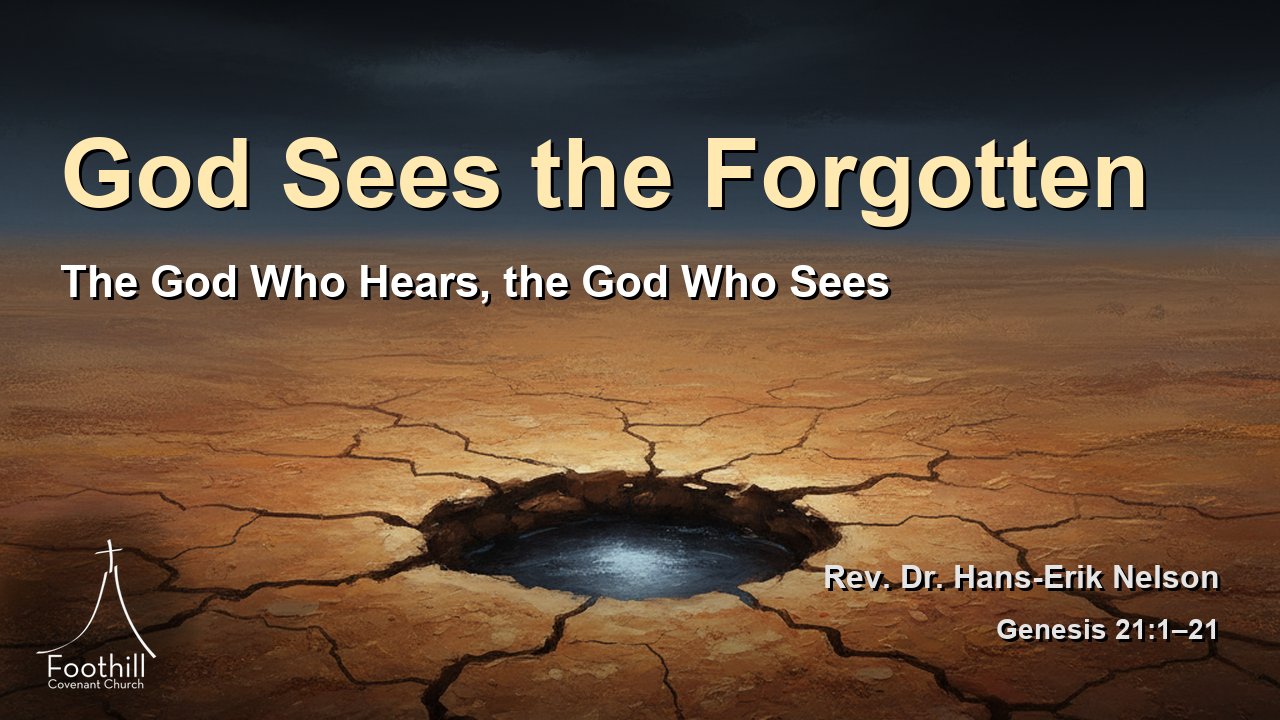
You'll hear how Hagar, a powerless outsider expelled into the desert with her child, becomes the person God notices most, and what that means when you feel invisible, stuck in someone else's mess, or written off.
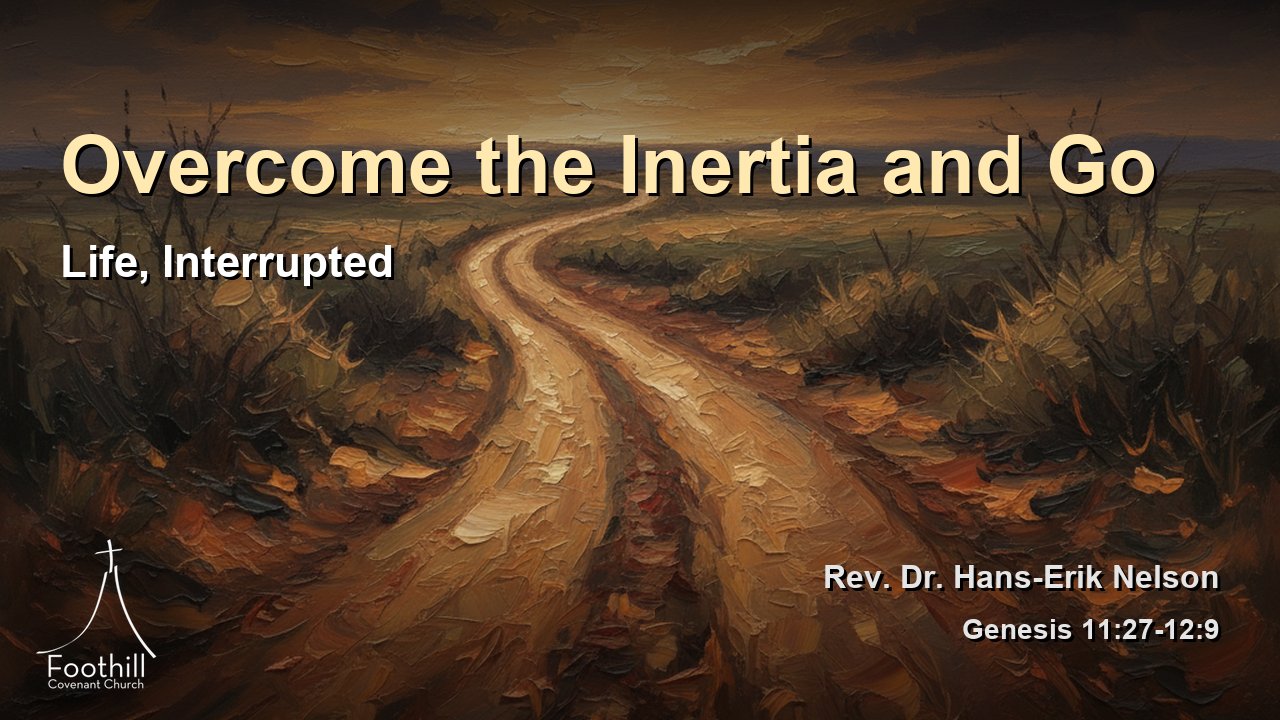
You'll see how much Abram had lost and settled into before God called him to leave, and that picture may help you name what's holding you back from the next thing God is asking of you.
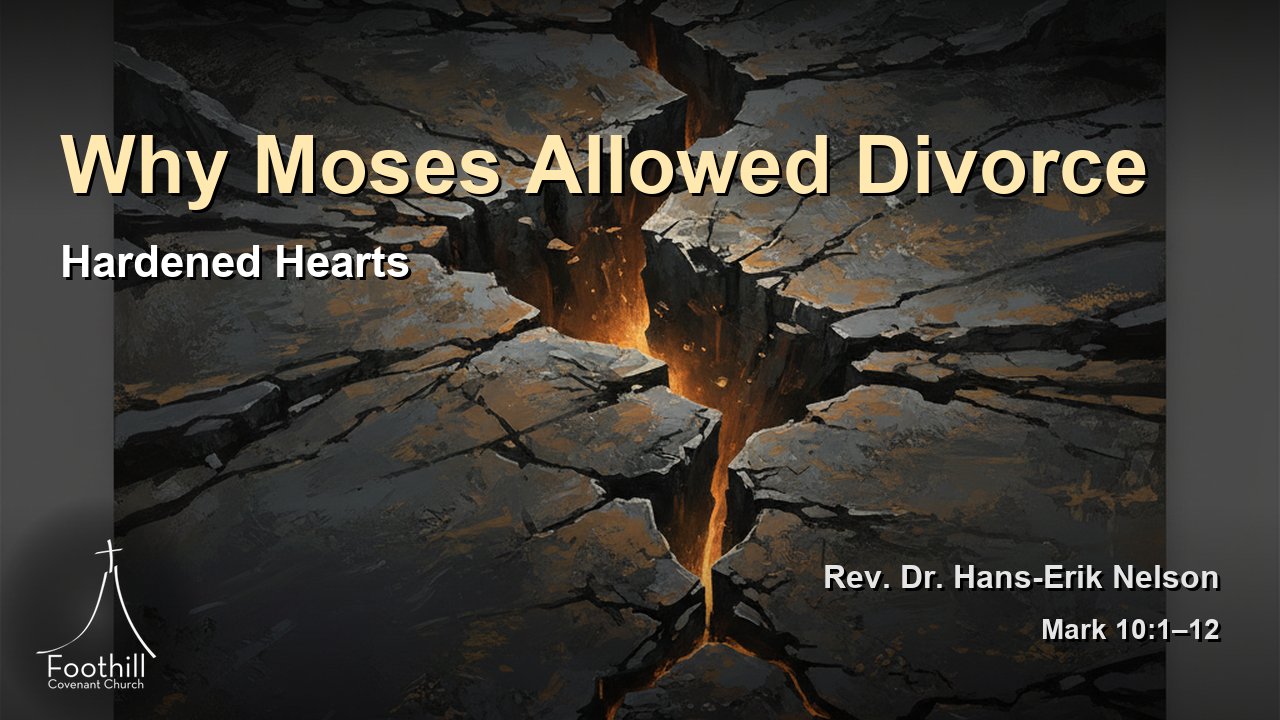
You'll hear why Jesus answered a trap about divorce by reaching back past Moses to the very beginning of creation, and what that move reveals about how God views marriage, human brokenness, and the protection of vulnerable people.
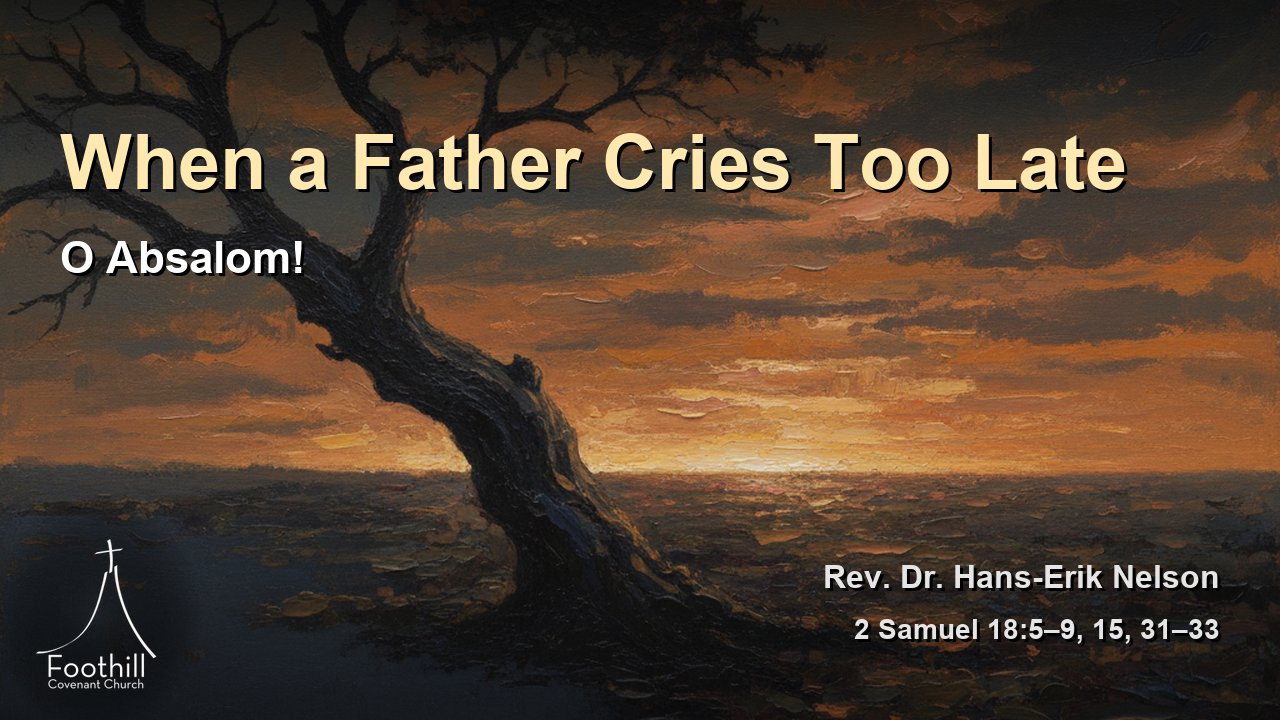
You'll see how David's anguished cry over his dead son, 'Would that I had died instead of you,' points forward to the one father-figure in history who actually could make that exchange, and what that means for the wreckage in your own life.
You'll hear how the 'great cloud of witnesses' in Hebrews 11 points to a family of God that stretches across time, ethnicity, and death itself, and why your place in that family matters not just for you but for every believer who came before you.